
Cataracts are one of the most common eye conditions affecting vision, especially as people grow older. The eye’s natural lens is normally clear and helps focus light onto the retina for sharp vision. Over time, proteins in the lens may begin to break down and clump together, causing cloudiness known as a cataract. This clouding results in blurred or dim vision and, if left untreated, can significantly impact daily activities and overall quality of life. With timely diagnosis and advanced treatment, cataracts can be safely and effectively managed.
Cataracts usually develop gradually and may affect one or both eyes, although they do not spread from one eye to the other.
While cataracts are most commonly age-related, they can also develop due to diabetes, eye injuries, prolonged use of steroid medications, excessive smoking, sunlight exposure, or genetic factors.
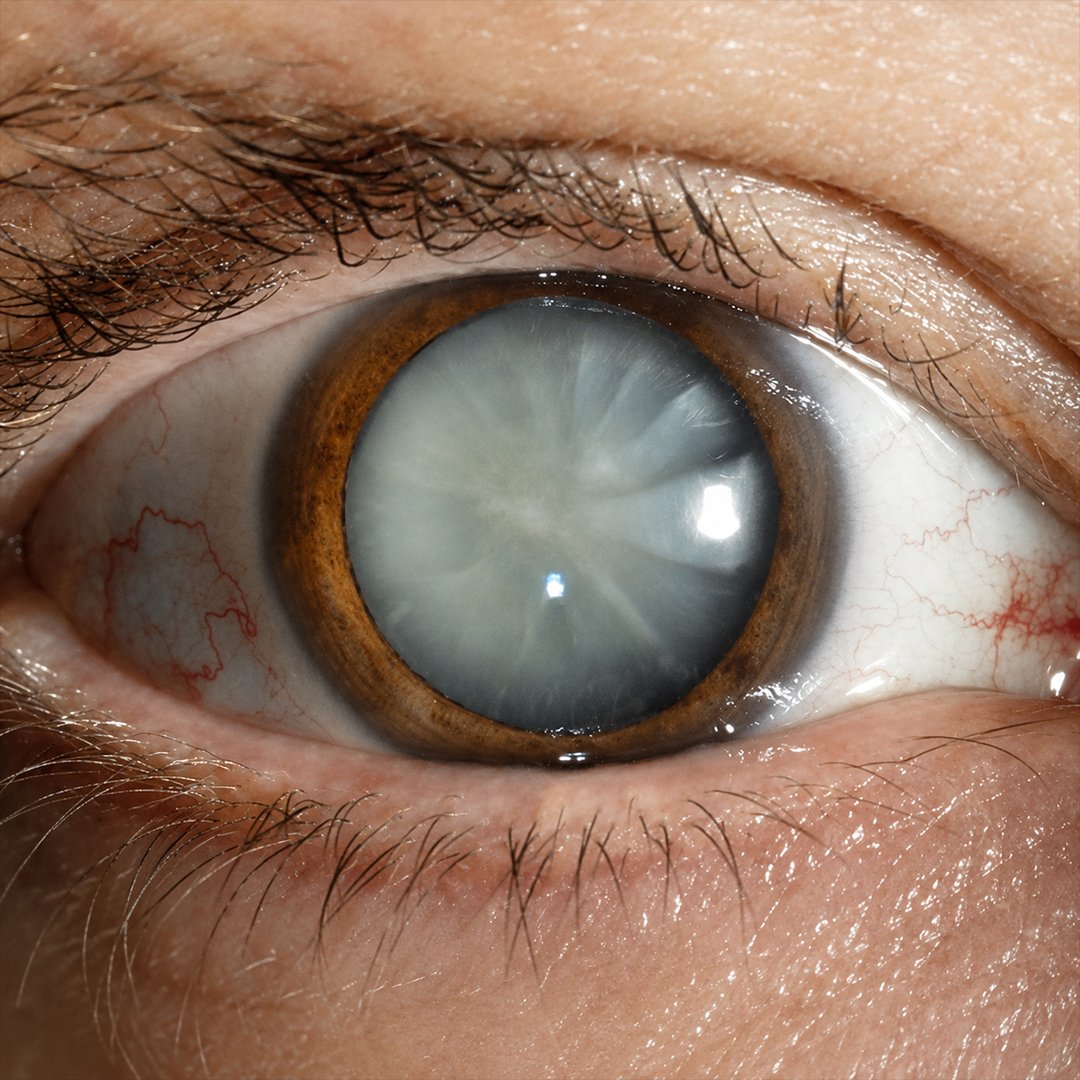
In the early stages, cataracts may cause little or no noticeable vision problems. As the condition progresses, common symptoms include:
If you experience any of these symptoms, it is important to consult an eye specialist for a comprehensive eye examination.
Cataracts are diagnosed through a detailed eye evaluation performed by an ophthalmologist. This may include visual acuity testing, slit-lamp examination, and a dilated eye exam to assess the clarity of the lens and overall eye health. Early diagnosis allows for better planning and timely treatment.
Our clinic offers advanced cataract surgery using modern techniques and precision technology to ensure optimal results. Depending on your eye condition and lifestyle needs, different types of IOLs may be recommended, including:
Your eye specialist will guide you in selecting the most suitable lens option for your visual requirements.
A modern, sutureless and painless cataract surgery designed for faster recovery and superior visual outcomes.
Phacoemulsification is the most advanced technique for cataract removal. Using high-frequency ultrasound energy, the cloudy lens is gently broken into tiny fragments and removed through a micro-incision. A foldable intraocular lens (IOL) is then implanted to restore clear vision.
This technique requires:
We are proud to offer Topical Cataract Surgery, where anesthesia is given in the form of eye drops instead of injections.
Benefits of Topical Surgery:
Patients remain comfortable and relaxed throughout the procedure.
Recovery and Aftercare
Recovery after cataract surgery is generally quick and smooth. Most patients notice improved vision within a few days. Mild discomfort or irritation may occur initially and is usually managed with prescribed eye drops. Regular follow-up visits help ensure proper healing and excellent visual outcomes.
If cataracts are affecting your vision or daily activities, early treatment can help restore clear sight and confidence. Schedule a consultation with our eye specialist today and take the first step toward healthier eyes and improved vision.