
Squint, also known as strabismus, is a condition where the eyes do not align in the same direction. One eye may look straight while the other turns inward, outward, upward, or downward. It can occur in children as well as adults.
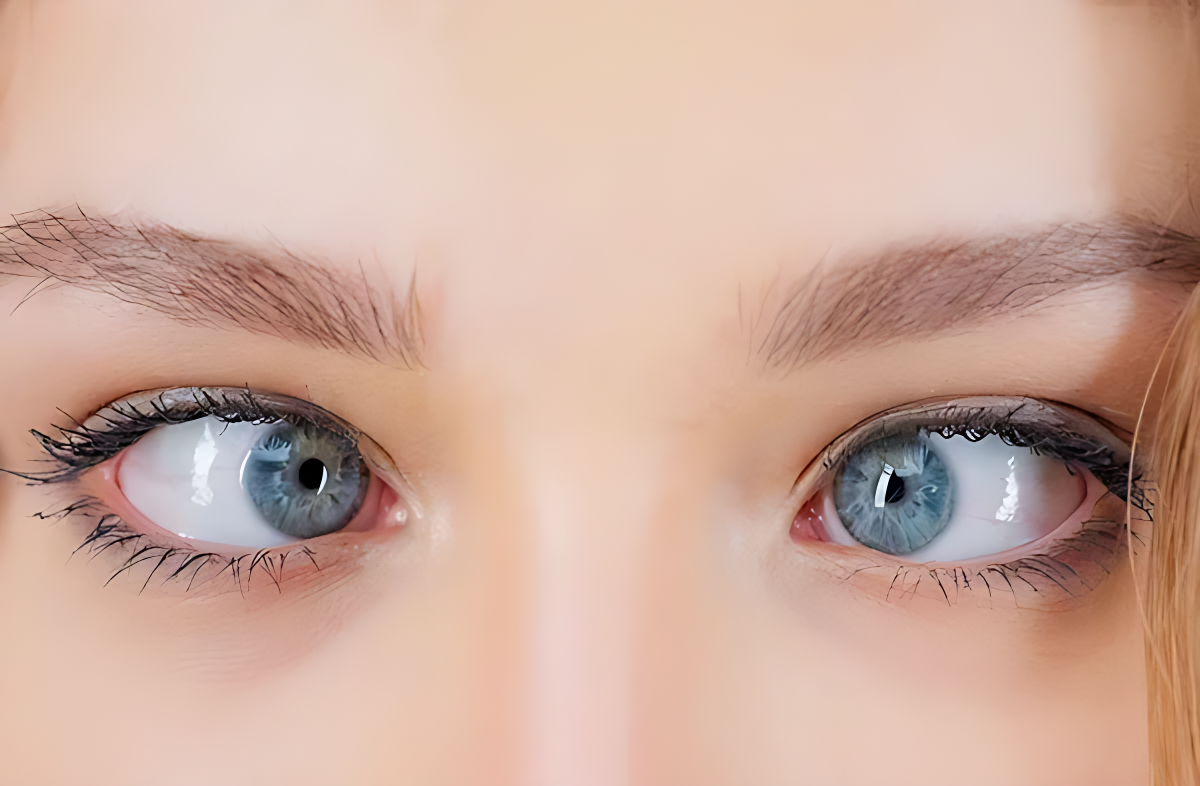
Eye misalignment can occur due to several underlying factors. Understanding the cause helps in choosing the most effective treatment.
Muscle Imbalance
Eye alignment depends on six muscles working together in harmony. When these muscles do not coordinate properly, it can lead to misalignment.
Refractive Errors
Uncorrected vision problems, especially farsightedness (hyperopia), can strain the eyes and cause them to turn inward.
Neurological or Developmental Factors
Certain conditions affecting the brain or nerve control can interfere with how the eye muscles function, leading to poor alignment.
Associated Conditions
Childhood illnesses, infections, injuries, or trauma can sometimes contribute to the development of eye misalignment.
Precision Corrective Glasses
Expertly prescribed glasses correct refractive errors and support natural eye alignment and help in squint correction, enhancing visual clarity and comfort.
Personalized Vision Therapy
Our customized eye exercise programs are designed to strengthen eye muscles, improve coordination, and restore balanced vision through guided therapy.
Amblyopia (Lazy Eye) Management
Specialized treatments, including therapeutic patching and medicated eye drops, help stimulate the weaker eye and promote proper visual development—especially in children.
State-of-the-Art Strabismus Surgery
Performed by experienced specialists, this advanced procedure carefully adjusts eye muscle position surgically to achieve precise alignment which helps both eyes to focus together, enhancing binocular vision and overall eye coordination which leads to improved vision and aesthetic appearance.
If left untreated, squint can lead to:
Early treatment ensures better visual development and long-term eye health.
Squint surgery not only improves eye function but also boosts confidence by restoring proper eye alignment.
Consult our eye specialist today for expert evaluation and personalized treatment.