Retinopathy of Prematurity (ROP) is a potentially blinding eye disorder that affects premature and low-birth-weight infants. It occurs when abnormal blood vessels grow in the retina — the light-sensitive layer at the back of the eye — due to incomplete retinal development at birth.
Early detection and timely intervention are critical. When diagnosed and treated at the right time, ROP can be effectively managed, significantly reducing the risk of lifelong visual impairment or blindness.
Our ROP services are designed to provide specialized, delicate, and comprehensive care for premature infants, in close coordination with neonatologists and NICU teams.
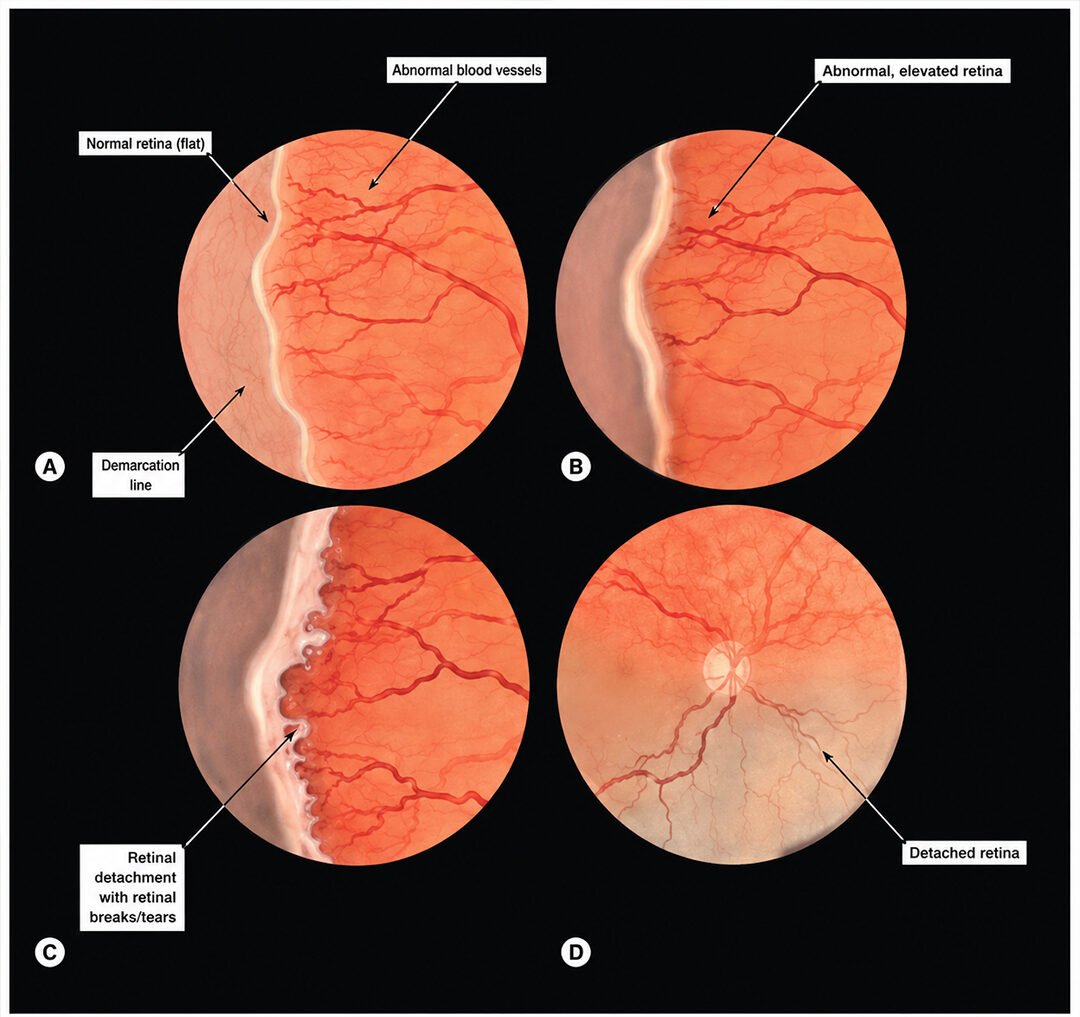
During normal fetal development, retinal blood vessels grow gradually and complete their development near full-term pregnancy. When a baby is born prematurely, this process is interrupted, leading to abnormal vessel growth. In severe cases, this can cause:
ROP progresses in stages, and not all cases require treatment. However, close monitoring is essential to identify infants who need immediate intervention.
ROP screening is recommended for:
Timely screening — typically within 3–4 weeks after birth — is crucial for protecting vision.
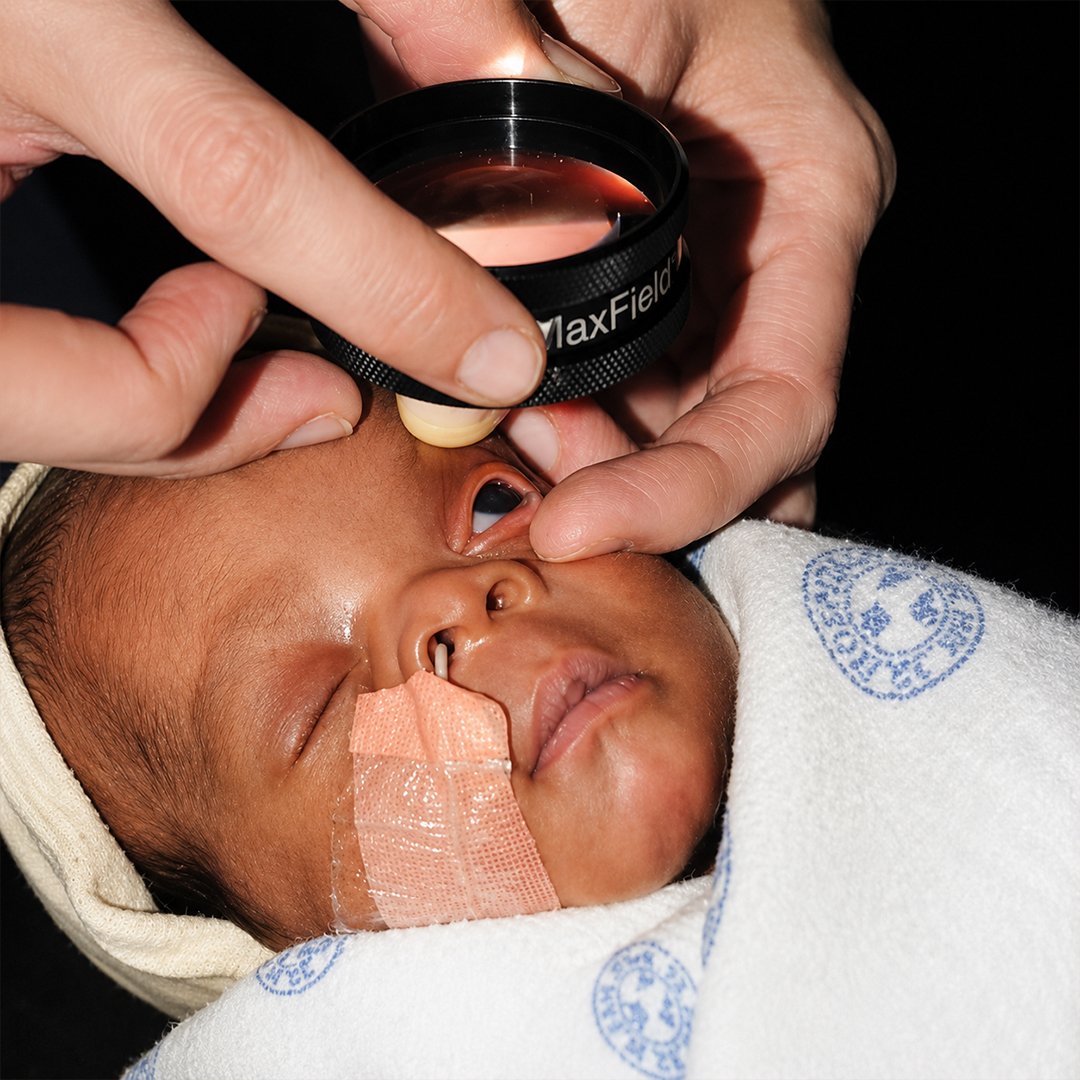
Our ROP evaluation process includes:
Screening is gentle, safe, and performed with utmost care to ensure the baby’s comfort.
When treatment is required, early intervention can prevent disease progression.
Each treatment plan is individualized based on the baby’s retinal findings and overall health condition.
Even after successful treatment, babies diagnosed with ROP may have higher risks of:
Regular pediatric eye follow-ups are essential to ensure healthy visual growth and early correction of refractive errors.
ROP management requires:
Expert care dramatically improves visual outcomes and prevents avoidable childhood blindness.
We understand that having a premature baby in the NICU is emotionally overwhelming. Our approach combines clinical excellence with compassionate counseling to support families through every step — from screening to treatment and long-term follow-up.
Retinopathy of Prematurity is preventable when detected early and treated promptly. With advanced screening protocols and specialized care, we are committed to safeguarding the vision of premature infants.
Schedule an ROP screening consultation today and ensure the best possible visual future for your baby.